My Surveyor Local helps buyers use survey findings strategically in negotiations. Property surveys frequently identify defects and issues, providing legitimate grounds for price renegotiation. This guide explains proven strategies for successful negotiations based on survey reports.
Why Surveys Give You Negotiating Power
Property surveys provide professional, independent assessments of property condition. When RICS chartered surveyors identify defects, you have evidence-based reasons to renegotiate. Sellers understand that survey findings are objective, not buyer opinions, giving them significant weight in negotiations.
Many buyers successfully negotiate £5,000-£30,000 off purchase prices using survey findings. Even if sellers won't reduce prices, they might complete repairs before completion or contribute to repair costs. Survey reports transform negotiations from emotional discussions to factual, evidence-based conversations about property value.
Understanding Survey Findings
Before negotiating, fully understand your survey report:
Severity Categories: RICS Level 2 surveys use traffic light systems (red, amber, green) indicating urgency. Level 3 surveys describe issues in detail with severity assessments. Focus negotiations on red (urgent) and significant amber (important) items rather than minor green issues.
Estimated Costs: Surveyors sometimes include approximate repair costs. Where they don't, obtain quotes from builders or specialists for negotiating ammunition.
Safety Issues: Electrical faults, structural problems, or safety hazards carry more negotiating weight than cosmetic defects or routine maintenance items.
Hidden vs Visible Defects: Issues you couldn't have seen during viewings (hidden damp, roof problems, structural movement) provide stronger negotiating positions than visible issues you accepted when making offers.
Getting Repair Quotes
Accurate repair costs strengthen negotiating positions:
Multiple Quotes: Obtain at least two quotes for significant works. This demonstrates due diligence and prevents sellers dismissing single quotes as unrepresentative.
Detailed Specifications: Ensure quotes specify exactly what work is included. Vague quotes like "fix damp - £2,000" are less persuasive than detailed breakdowns of treatments, materials, and labor.
Written Estimates: Verbal quotes lack weight in negotiations. Get written estimates on company letterhead with contact details, making them credible and verifiable.
Allow Contingencies: Add 10-15% to quote totals for unexpected complications or cost escalation. This provides negotiating buffers and realistic cost expectations.
Prioritize Major Issues: Focus quote gathering on expensive items like subsidence repairs, roof replacement, rewiring, or damp treatment rather than minor cosmetic work.
Negotiation Strategies
Strategy 1: Price Reduction
Requesting price reductions equivalent to repair costs is the most common approach. Present survey findings with supporting quotes, requesting reductions covering repair costs. Start negotiations slightly above actual costs, allowing room for compromise.
Example: Survey identifies roof repairs needed costing £8,000. Request £9,000-£10,000 reduction, settling at £8,000-£8,500. This covers repairs and provides buffers for unforeseen costs.
Strategy 2: Request Repairs
Ask sellers to complete repairs before completion. This works well for urgent safety issues like electrical faults or critical structural problems. Sellers often prefer completing repairs themselves rather than reducing prices, particularly if they can negotiate better rates with their own contractors.
Insist on certification for completed works (electrical certificates, damp treatment guarantees, building regulation certificates). Without proper certification, repairs have limited value and may cause future sale problems.
Strategy 3: Split Repair Costs
Compromise approaches where both parties share repair costs can work when sellers resist full price reductions. Propose splitting costs 50/50 or other ratios reflecting circumstances.
Example: Damp treatment costs £6,000. Negotiate that sellers complete work but buyers contribute £2,000-£3,000. This moves transactions forward while fairly distributing costs.
Strategy 4: Contribution to Works
Instead of completing repairs, sellers provide cash contributions at completion for buyers to arrange works themselves. This suits buyers wanting control over contractor selection and work specifications.
Agree contribution amounts based on quotes. Formalize arrangements in contracts to ensure sellers pay agreed amounts at completion.
Strategy 5: Mixed Approach
Combine strategies for different issues. Request sellers complete urgent safety works (electrical repairs), while seeking price reductions for non-urgent issues (redecorating, minor repairs).
Presenting Your Case
How you present survey findings affects negotiation success:
Be Professional: Approach negotiations businesslike, not emotionally. Frame discussions around factual survey findings and objective repair costs rather than personal disappointment or frustration.
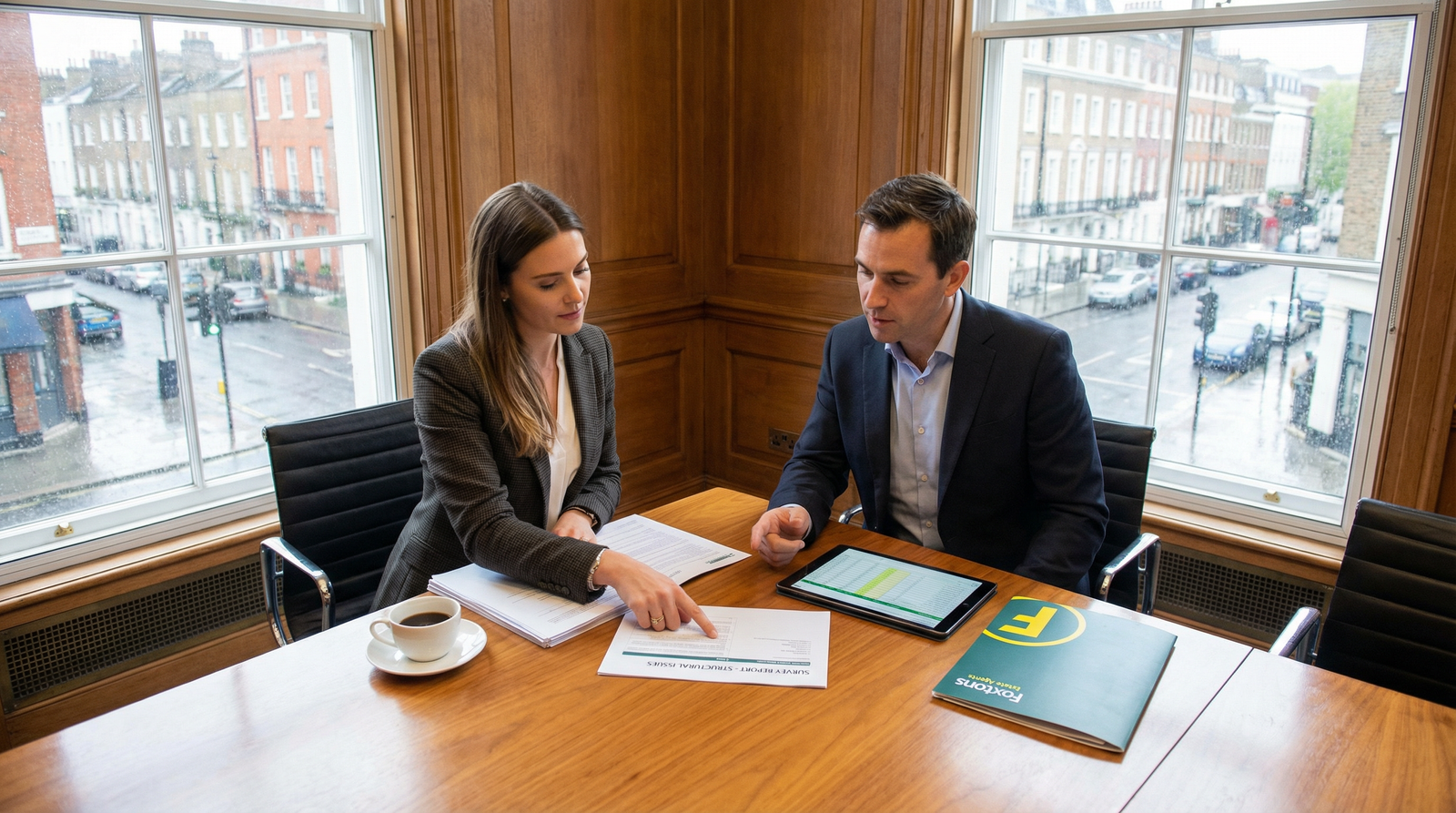
Provide Evidence: Submit survey reports and repair quotes to sellers or estate agents. Written evidence is more persuasive than verbal summaries.
Be Specific: Clearly state what you're requesting (price reduction amount, specific repairs, contribution figures). Vague requests like "the survey found problems, can we reduce the price?" are less effective than specific proposals with supporting evidence.
Allow Response Time: Give sellers reasonable time to review surveys and consider proposals. Rushing decisions creates resistance and defensive reactions.
Use Your Solicitor: Solicitors can communicate on your behalf, keeping negotiations professional and avoiding direct confrontation that might damage relationships.
Common Seller Responses
Anticipate typical seller reactions and prepare responses:
"We'll Reduce the Price by Less Than Requested"
Sellers might offer partial reductions. Evaluate whether offers are reasonable given repair costs. If close to actual costs, consider accepting. If significantly lower, counter-propose with evidence supporting your original request.
"We Knew About These Issues, That's Why the Price Was Set Here"
Sellers sometimes argue asking prices already reflect property condition. Counter by highlighting that issues weren't disclosed, you couldn't assess severity without professional surveys, or repair costs exceed your expectations. Emphasize that undisclosed defects change your valuation.
"Get More Quotes, Those Seem High"
If sellers challenge quote accuracy, obtain additional estimates proving consistency. Three similar quotes demonstrate reliability and prevent sellers dismissing costs as inflated.
"The Survey Is Too Cautious"
Sellers might claim surveyors are overly conservative. Stand firm - RICS surveyors are professionally qualified and insured. Their assessments protect you from risks. If sellers dispute severity, suggest they obtain their own specialist reports to verify (they rarely do).
"We'll Find Other Buyers"
Sellers threatening to remarket are usually bluffing. Remarketing costs time and money, and new buyers will likely commission surveys identifying the same issues. Call their bluff professionally - state you're willing to proceed at fair adjusted prices but can't overpay for properties needing significant repairs.
When to Walk Away
Sometimes walking away is the right decision:
Sellers Won't Negotiate: If sellers refuse all compromise despite significant survey findings, consider withdrawing. Overpaying for properties needing expensive repairs is poor investment.
Issues Are Too Serious: Severe structural problems, extensive subsidence, or major defects might make properties poor purchases regardless of price. If repair costs approach or exceed property values, walk away.
Too Many Unknowns: If surveys recommend multiple specialist investigations for uncertain issues, costs and complications might be unacceptable. Walking away prevents buying into problematic situations.
Better Options Available: If similar properties without defects are available at comparable prices, buying troubled properties makes little sense even with reductions.
Successful Negotiation Examples
Case Study 1: Subsidence
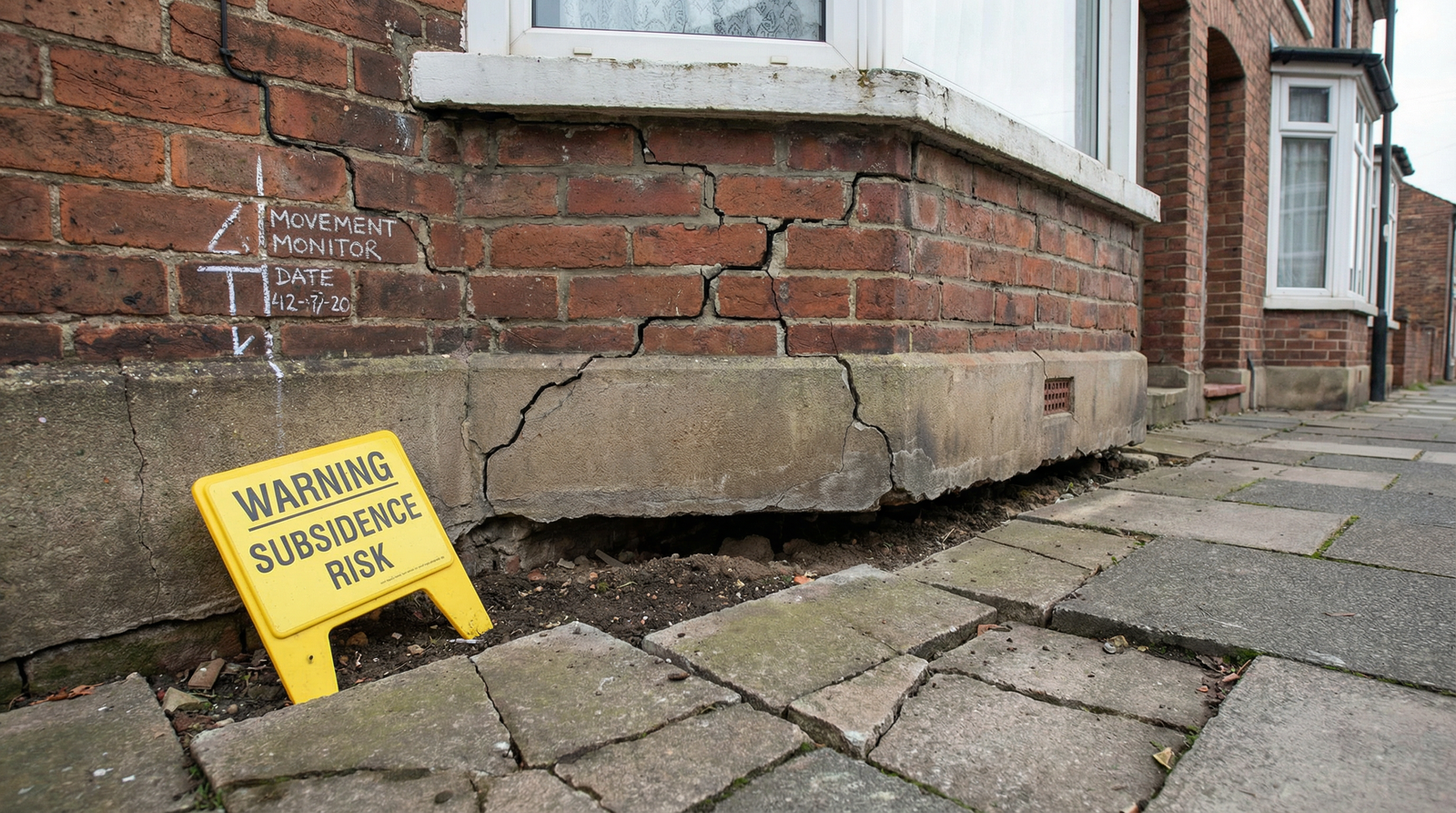
Buyer's survey identified subsidence requiring underpinning. Structural engineer estimated repairs at £25,000. Buyer requested £30,000 reduction covering repairs plus compensation for future insurance premium increases and resale difficulties. Seller initially offered £15,000. Buyer provided detailed costs breakdown and highlighted that remarketing would face same issues. Negotiation settled at £27,000 reduction.
Case Study 2: Damp and Electrical
Survey found extensive rising damp (£4,500 treatment) and rewiring needed (£7,000). Total costs: £11,500. Buyer requested £12,000 reduction. Seller agreed to complete damp treatment themselves using approved contractors with transferable guarantees, plus £6,000 price reduction for electrical work. Buyer accepted as damp guarantee had value and total benefit approximated original request.
Case Study 3: Roof Repairs
Major roof repairs needed costing £12,000. Seller initially refused reductions, arguing price already reflected age. Buyer obtained three consistent quotes and offered to split costs 60/40 (seller £7,200, buyer £4,800). Seller countered at 50/50 split. Buyer accepted £6,000 reduction and arranged repairs after completion, maintaining good relationships and progressing purchase.
Maintaining Relationships
Keep negotiations professional and constructive:
Avoid Personal Attacks: Don't criticize sellers for property conditions. Focus on factual issues and fair resolutions.
Stay Reasonable: Don't request reductions for every minor defect. Focus on significant issues affecting value and safety.
Show Willingness to Compromise: Rigid positions create deadlock. Demonstrate flexibility while protecting your interests.
Communicate Through Professionals: Use estate agents and solicitors to buffer direct confrontation and keep discussions business-focused.
After Successful Negotiations
Once agreements are reached:
Document Everything: Ensure price reductions or repair agreements are formally recorded in contracts.
Verify Completed Works: If sellers complete repairs, inspect work and obtain all certificates before completion.
Retain Evidence: Keep survey reports, quotes, and negotiation correspondence for future reference if issues arise.
Complete Promptly: Once satisfied with agreements, progress purchases without unnecessary delays rewarding sellers' cooperation.
Conclusion
Property survey findings provide powerful negotiating tools. Professional, evidence-based approaches using accurate repair costs and clear proposals successfully reduce purchase prices or secure completed repairs. Most sellers negotiate reasonably when presented with objective survey evidence and fair proposals.
My Surveyor Local surveys give you the information and evidence needed for effective negotiations, helping you buy properties at fair prices reflecting true conditions.
Ready to Negotiate With Survey Evidence?
Contact My Surveyor Local for comprehensive surveys providing the evidence you need for successful property negotiations.
Get Your Free Quote