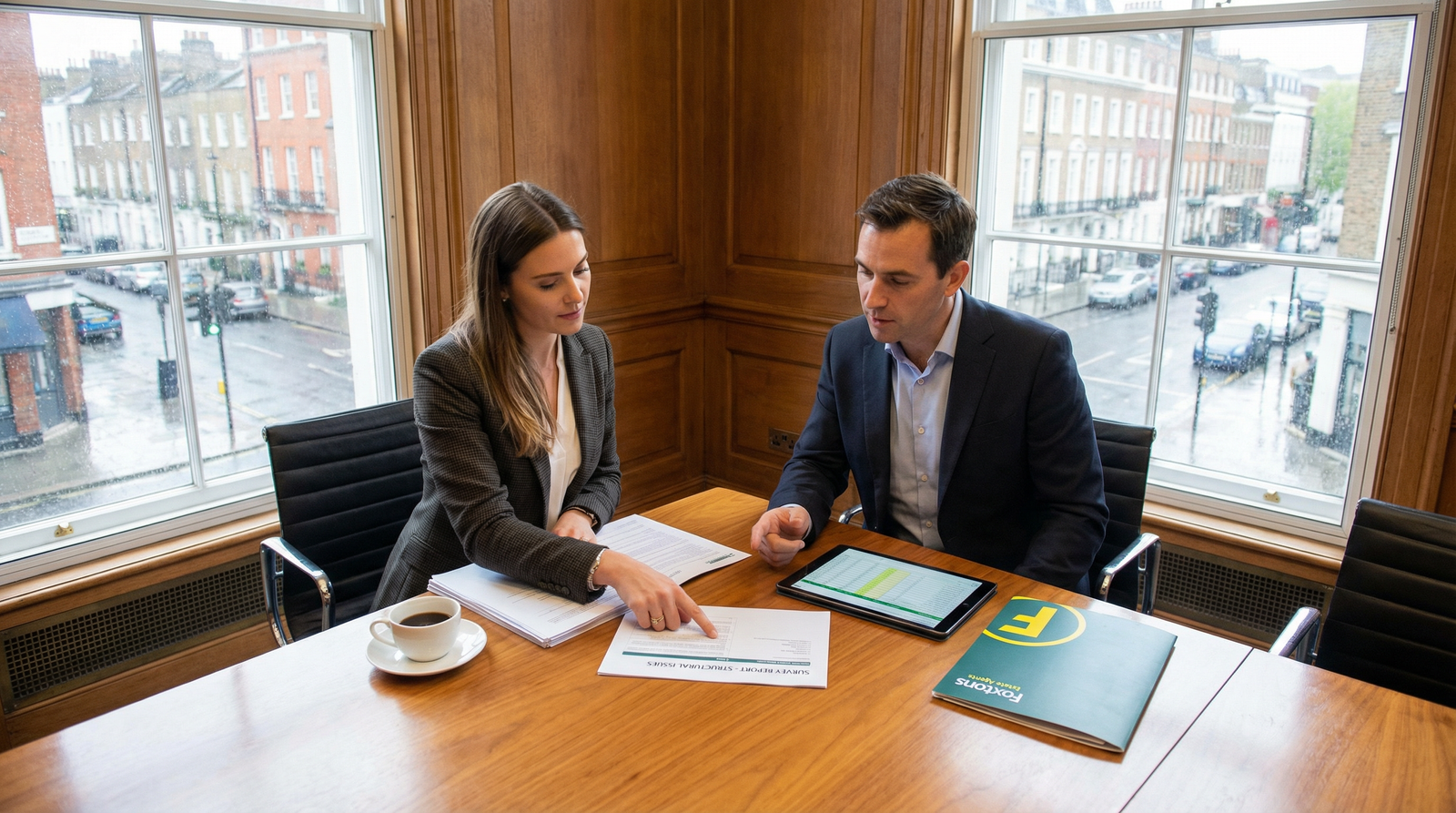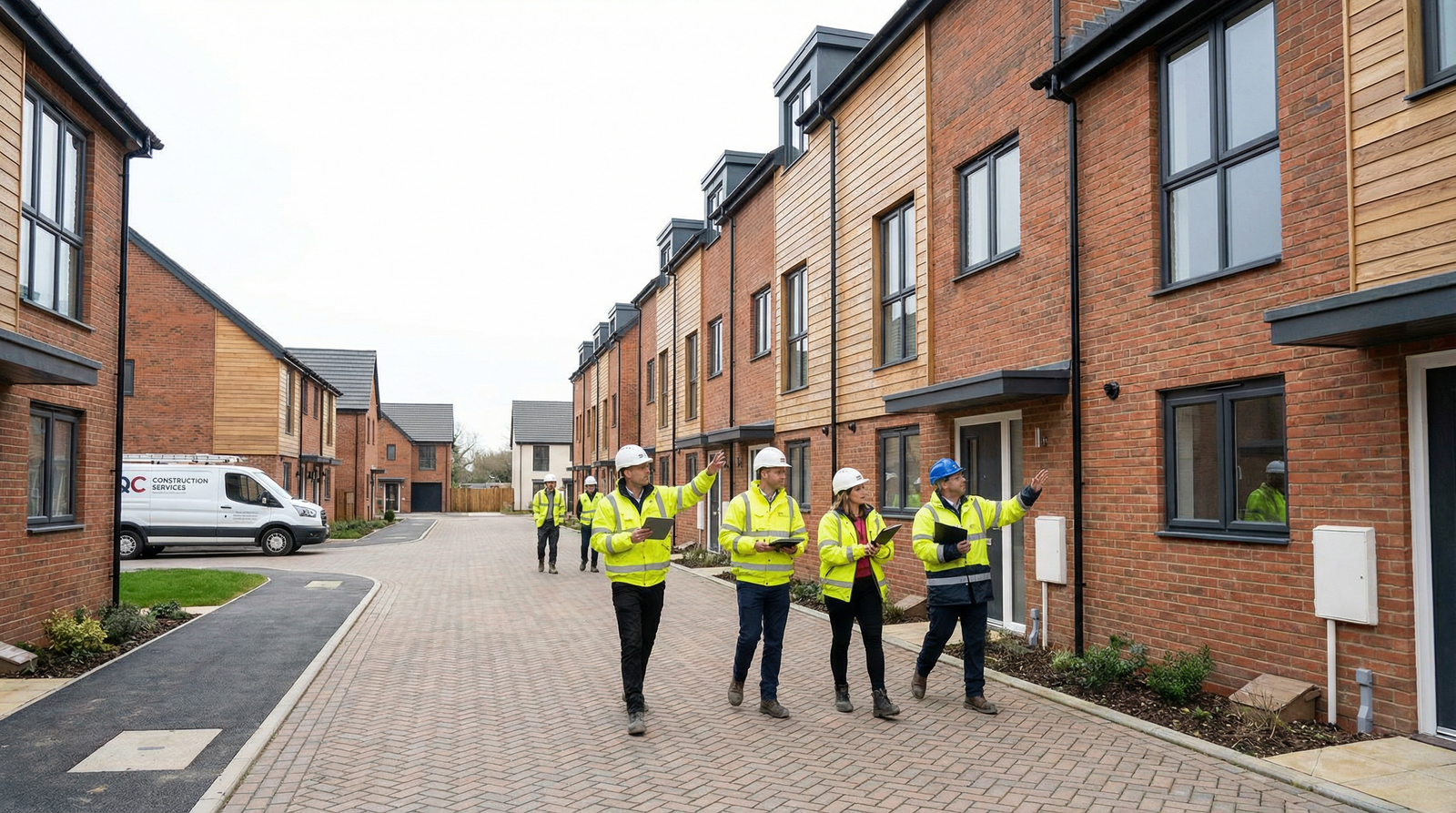
My Surveyor Local helps first-time buyers navigate the survey process. Buying your first home is exciting but daunting. This comprehensive guide explains everything you need to know about property surveys, helping you make confident, informed decisions.
Why First-Time Buyers Need Surveys
Many first-time buyers question whether they need a survey. After all, you're already paying legal fees, mortgage costs, and stamp duty. Can't you just rely on the mortgage valuation? The short answer is no - mortgage valuations are for lender protection, not yours.
A proper property survey protects you from costly surprises after purchase. Surveys identify defects, structural issues, and maintenance problems that could cost thousands to repair. As a first-time buyer, you probably don't have spare cash for unexpected repairs, making surveys even more valuable.
My Surveyor Local recommends all first-time buyers get comprehensive surveys regardless of property age or apparent condition. Hidden problems aren't always visible during viewings, and estate agents won't highlight issues that could reduce property values.
Understanding Different Survey Types
First-time buyers often feel confused by survey options. Let's break down each type in simple terms:
Mortgage Valuation (Not a Survey)
Your mortgage lender arranges a basic valuation to confirm the property is worth what you're paying. This protects the lender, not you. Valuations are superficial, taking 15-30 minutes, and won't identify most defects. They're not surveys and provide no detailed information about property condition.
RICS Level 2 Survey (Homebuyer Report)
The most popular choice for first-time buyers purchasing standard properties built after 1900 in reasonable condition. Level 2 surveys use a traffic light system showing defects as red (serious), amber (needs attention), or green (satisfactory).
These surveys include property valuations, insurance rebuild costs, and advice on repairs. They're suitable for conventional houses, flats, and bungalows without unusual features or major alterations. Cost: £400-£900 depending on property value and location.
RICS Level 3 Survey (Building Survey)
More comprehensive surveys providing in-depth analysis of property structure and condition. Level 3 surveys are essential for older properties (pre-1900), unusual construction, properties with extensions, or those in poor condition.
They include detailed defect descriptions, repair cost estimates, and prioritized maintenance advice. While more expensive (£600-£1,500), they're worthwhile for period properties or those requiring significant work. Cost: £600-£1,500.
How Much Do Surveys Cost?
Survey costs worry many first-time buyers already stretching budgets. However, surveys typically save far more than they cost through negotiations or avoided problem properties.
Budget approximately:
- £400-£600 for Level 2 surveys on smaller properties (flats, terraced houses)
- £600-£900 for Level 2 surveys on larger properties (detached houses)
- £600-£1,000 for Level 3 surveys on smaller properties
- £1,000-£1,500 for Level 3 surveys on larger or complex properties
Many first-time buyers successfully negotiate £5,000-£15,000 off purchase prices using survey findings, making the survey investment extremely worthwhile.
Choosing the Right Survey for Your Property
First-time buyers should consider:
Property Age: Post-1900 properties in good condition suit Level 2 surveys. Pre-1900 properties need Level 3 surveys due to age-related issues and construction methods.
Property Type: Standard houses and flats with conventional construction are fine for Level 2 surveys. Unusual properties, converted buildings, or those with thatched roofs or timber frames need Level 3 surveys.
Visible Condition: Well-maintained properties with no obvious defects suit Level 2 surveys. Properties showing cracks, damp patches, or other concerns warrant Level 3 surveys.
Your Plans: If you're planning major renovations or extensions, invest in Level 3 surveys providing detailed structural information.
Budget: While Level 3 surveys cost more, they're worth it for peace of mind on older or problematic properties. Don't compromise on survey quality to save money - it's false economy.
The Survey Process Explained
Understanding what happens helps reduce anxiety:
Step 1: Book Your Survey
Contact My Surveyor Local and we'll match you with a qualified RICS chartered surveyor in your area. Provide property details including address, type, age, and number of bedrooms. You'll receive a quote usually within 24 hours.
Step 2: Arrange Property Access
Coordinate with estate agents to ensure the surveyor can access the property. Surveys take 2-4 hours depending on property size and survey level. You don't need to attend, though some buyers meet surveyors afterwards to ask questions.
Step 3: The Inspection
Surveyors examine all accessible areas including roof spaces and cellars where safe. They use specialist equipment like moisture meters to detect hidden problems. Photographs document concerns for the report.
Step 4: Receive Your Report
Reports arrive within 48-72 hours of inspection. They clearly explain findings, identify defects, and recommend actions. Don't panic if issues are found - most properties have some defects. Focus on understanding severity and costs.
Understanding Your Survey Report
First-time buyers often feel overwhelmed by survey reports. Here's how to read them:
Traffic Light System (Level 2): Green means satisfactory with no repairs needed currently. Amber indicates issues requiring attention but not urgent. Red signals serious problems needing immediate action or further investigation.
Don't Panic: Most surveys identify some issues. This is normal and expected. Focus on red items first, then amber items. Green items are fine.
Prioritize Issues: Distinguish between urgent safety issues (electrical faults, structural movement), important repairs (roof repairs, damp treatment), and routine maintenance (redecorating, minor repairs).
Get Costs: For significant defects, obtain repair quotes from builders or specialists. These figures help with negotiations and budgeting.
Common Survey Findings
First-time buyers should expect these common findings:
Minor Damp: Small amounts of condensation or minor penetrating damp are common and usually inexpensive to fix (£200-£1,000).
Roof Repairs: Missing tiles, worn flashings, or guttering issues frequently appear in surveys. Costs range from £200 for minor repairs to £5,000+ for major roof work.
Electrical Concerns: Older wiring or inadequate earthing are common. Rewiring costs £3,000-£8,000 but is often negotiable with sellers.
Drainage Issues: Blocked or damaged drains affect many properties. CCTV surveys (£150-£300) identify problems. Repairs vary from £500 for minor work to £5,000+ for major drainage replacement.
Woodwork Deterioration: Window and door frames often show decay. Individual frame replacement costs £500-£1,500 per window/door.
Using Surveys to Negotiate
This is where surveys really pay for themselves. If your survey identifies defects:
Get Repair Quotes: Obtain written estimates for fixing identified problems. Use these as negotiating evidence.
Renegotiate Price: Request price reductions equivalent to repair costs. Present quotes showing costs to justify reductions. Many sellers agree rather than lose sales.
Request Repairs: Ask sellers to complete repairs before completion. This works for urgent issues like electrical faults or damp problems.
Walk Away: If defects are too serious or sellers won't negotiate, you can withdraw. Better to lose your survey fee than buy problematic properties.
Successful negotiation stories abound. One first-time buyer saved £12,000 using survey findings showing subsidence requiring underpinning. Another negotiated £8,000 off after identifying extensive roof repairs needed.
Budgeting for Repairs
Even after negotiations, first-time buyers should budget for repairs and maintenance:
Immediate Repairs: Safety-critical issues like faulty electrics should be addressed immediately. Budget £2,000-£5,000 for urgent repairs typically found in surveys.
Short-Term Maintenance: Work needed within 1-2 years like redecorating, minor repairs, and routine maintenance. Budget £3,000-£7,000.
Long-Term Planning: Major work like roof replacement or heating system upgrades needed within 5-10 years. Start saving early for these predictable costs.
Common First-Time Buyer Mistakes
Avoid these frequent errors:
Skipping Surveys: The biggest mistake. Never buy without surveys, regardless of property appearance or seller reassurances.
Choosing Cheapest Surveyors: Quality matters more than price. RICS chartered surveyors provide professional, insured services. Cheap unqualified surveyors risk missing serious issues.
Ignoring Survey Findings: Don't dismiss survey concerns. If surveyors recommend further investigations, get them. Ignoring warnings leads to expensive surprises later.
Failing to Negotiate: Many first-time buyers feel uncomfortable negotiating. Don't! Survey findings provide legitimate reasons for price reductions. Use them.
Accepting Estate Agent Recommendations: Estate agents often recommend specific surveyors. While some are good, get independent recommendations from My Surveyor Local ensuring objective surveys.
Questions to Ask Your Surveyor
After receiving your report, contact surveyors with questions:
- Which issues are most urgent?
- What are approximate repair costs?
- Are recommended specialists needed?
- Should I reconsider buying this property?
- What maintenance should I prioritize after purchase?
Good surveyors willingly discuss findings and provide additional context. Don't hesitate to ask for clarification on anything you don't understand.
Insurance and Surveys
Survey findings affect home insurance:
Disclosure Requirements: Insurers ask about structural issues, subsidence, flooding, or underpinning. Failing to disclose survey findings invalidates insurance.
Premium Impacts: Properties with issues like subsidence history pay higher premiums. Factor this into long-term costs.
Repair Requirements: Insurers sometimes require repairs before providing cover, particularly for serious electrical, structural, or damp issues.
Finding the Right Surveyor
First-time buyers should prioritize:
RICS Membership: Only use RICS chartered surveyors who meet professional standards and carry insurance.
Local Knowledge: Surveyors familiar with your area understand local property types and common problems.
Clear Communication: Choose surveyors who explain findings clearly in plain English without excessive jargon.
Recommendations: My Surveyor Local connects first-time buyers with experienced surveyors who understand your needs and concerns.
After Your Survey
Once you have your report:
Review Thoroughly: Read everything carefully, noting questions for your surveyor.
Get Quotes: Obtain repair estimates for significant defects to inform negotiations.
Consult Your Solicitor: Share the survey with solicitors who can advise on legal implications and negotiating strategies.
Make Informed Decisions: Decide whether to proceed, renegotiate, or withdraw based on survey findings and your circumstances.
Plan Ahead: If proceeding, create maintenance plans addressing survey recommendations over time.
Conclusion
Property surveys are essential for first-time buyers providing peace of mind, negotiating power, and protection from costly surprises. Don't see surveys as unnecessary expenses - they're valuable investments protecting your biggest financial commitment.
My Surveyor Local connects first-time buyers with qualified RICS chartered surveyors who understand your concerns and provide clear, actionable advice. Start your homeownership journey with confidence by getting a comprehensive property survey.
Ready for Your First Home Survey?
Contact My Surveyor Local today. We'll match you with an experienced surveyor who understands first-time buyer needs and concerns.
Get Your Free Quote