My Surveyor Local helps you understand subsidence - one of the most serious structural issues found in property surveys. This comprehensive guide covers causes, warning signs, repair costs, and how subsidence affects property value and insurance.
What Is Subsidence?
Subsidence occurs when ground beneath a property sinks, causing building foundations to drop. This creates structural movement, cracking, and potentially serious damage. Unlike historical settlement (which is stable), active subsidence is ongoing and requires intervention to prevent worsening.
RICS surveyors distinguish between subsidence, settlement, and heave (ground swelling). Each has different causes, treatments, and implications. Comprehensive surveys assess crack patterns, investigate causes, and recommend appropriate actions based on severity.
Common Causes of Subsidence
Clay Soil Shrinkage
Clay soils shrink during dry periods and expand when wet. Properties on clay are vulnerable to subsidence, particularly during extended droughts. Southern England has extensive clay areas where subsidence is most common. Trees near properties exacerbate problems by extracting moisture from soil.
Tree Root Damage
Large trees near properties cause subsidence by extracting moisture from clay soils. Species like oak, willow, poplar, and ash have extensive root systems reaching significant distances. Removing trees can cause heave as soil moisture rebalances, creating different structural problems.
Leaking Drains
Broken drains wash away soil supporting foundations, creating voids that cause subsidence. Older drainage systems are particularly vulnerable. CCTV drainage surveys identify leaks before serious damage occurs.
Mining and Ground Works
Historical mining, quarrying, or ground works can cause delayed subsidence as old workings collapse. This affects properties in former mining areas, though most mining subsidence claims declined as old workings stabilized.
Inadequate Foundations
Older properties may have shallow foundations insufficient for ground conditions. Extensions with inadequate foundations sometimes subside independently from main buildings, creating differential movement and cracking.
Recognizing Subsidence Warning Signs
Surveyors look for specific patterns indicating potential subsidence:
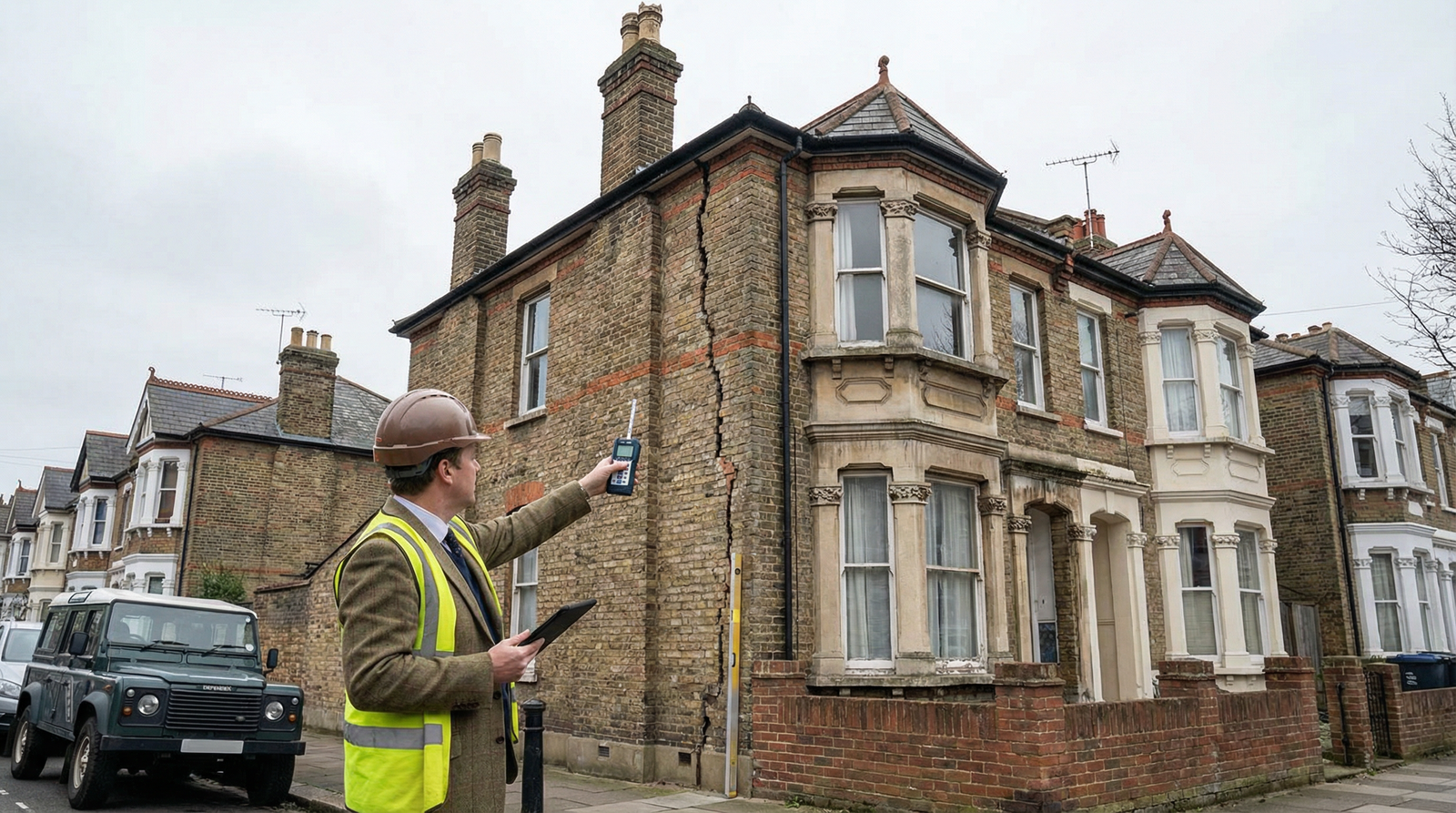
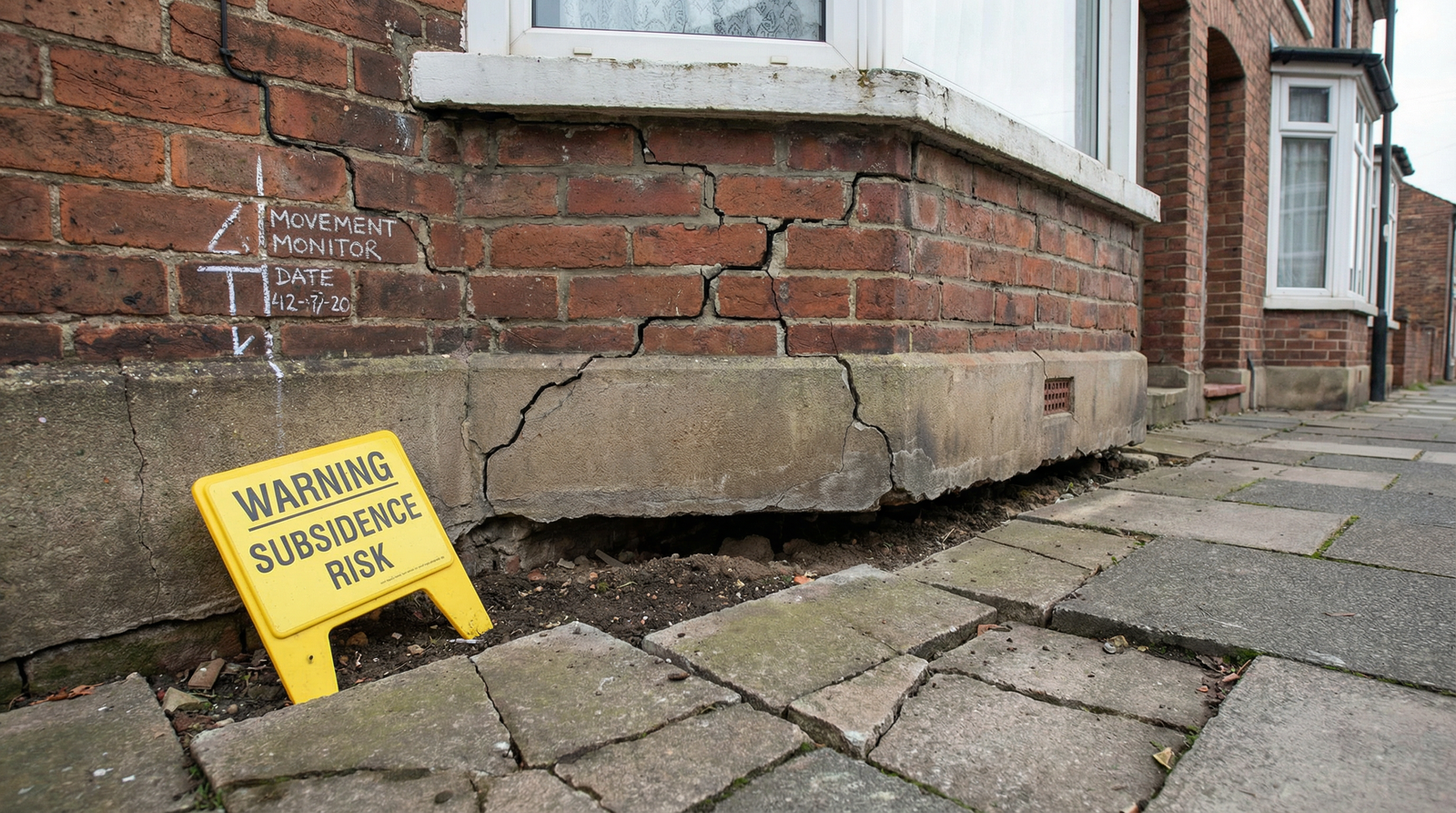
Crack Characteristics: Diagonal cracks wider than 3mm, particularly around doors and windows, suggest structural movement. Cracks wider at the top indicate subsidence (wider at bottom suggests heave). Stepped cracking in brickwork following mortar lines is typical of subsidence.
External Signs: Cracks in external walls, especially at weak points like window corners. Leaning or bulging walls indicate serious movement. Extension cracks separating from main buildings suggest differential subsidence.
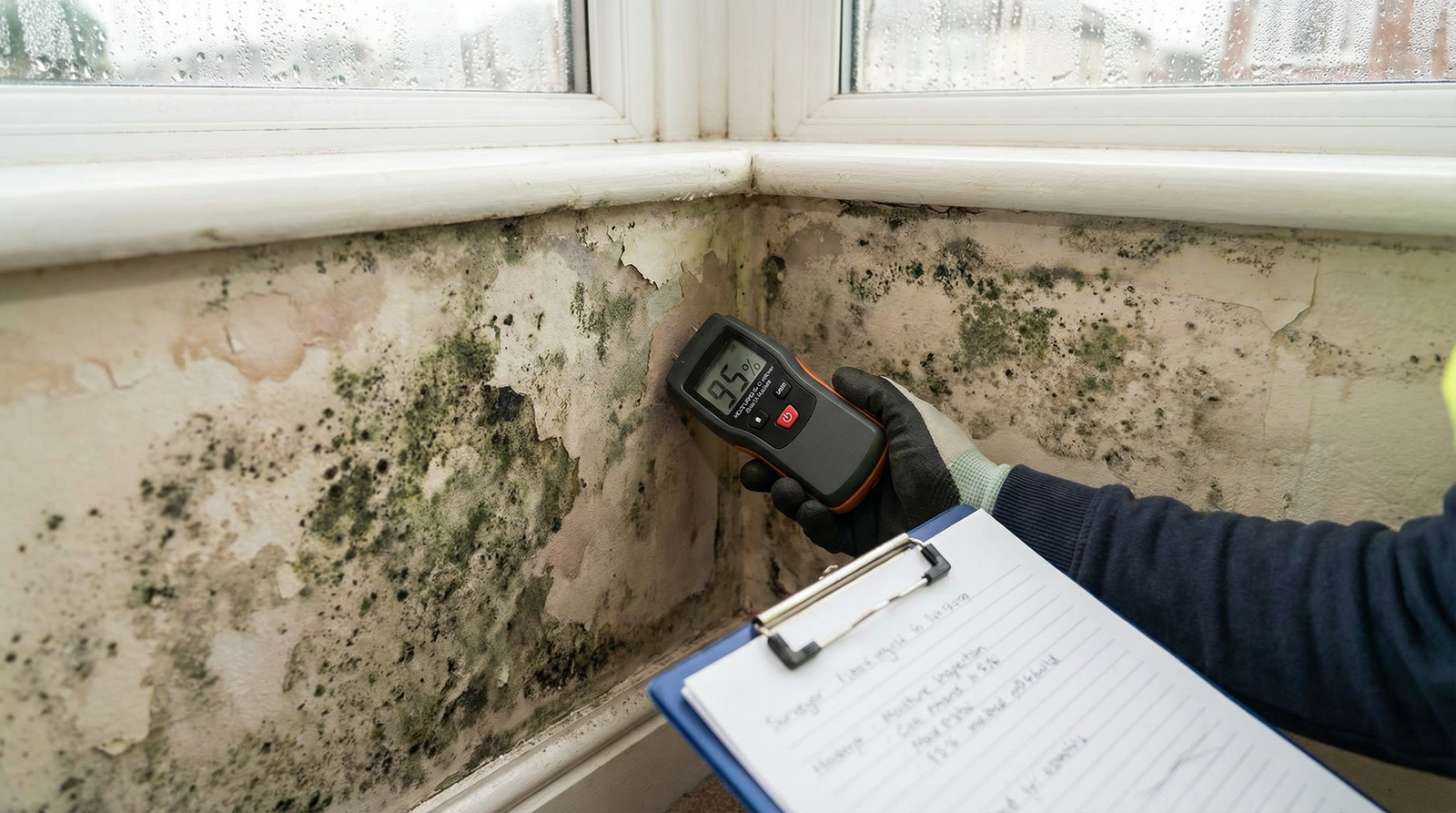
Internal Evidence: Doors and windows that stick or won't close properly. Rippling wallpaper or cracked plaster, particularly at ceiling-wall junctions. Uneven or sloping floors may indicate underlying movement.
Progressive Movement: Cracks that reopen after repair or widen over time indicate active subsidence requiring professional assessment.
Survey Assessment of Subsidence
When My Surveyor Local surveyors suspect subsidence, they:
Assess Crack Patterns: Documenting location, width, direction, and pattern of cracks. Photographs provide evidence for comparison during monitoring.
Investigate Causes: Looking for trees, drainage issues, soil types, and other contributing factors. Local knowledge helps identify area-specific subsidence risks.
Determine Activity: Assessing whether movement is historical (stable) or ongoing (active). Fresh plaster cracks, recently painted surfaces with cracks, or monitoring evidence indicates active movement.
Recommend Actions: Suggesting monitoring, structural engineer assessment, or immediate treatment depending on severity.
Subsidence Repair Costs
Repair costs vary enormously based on severity and causes:
Minor Repairs: £5,000-£15,000 for localized underpinning or tree management with monitoring.
Moderate Subsidence: £15,000-£30,000 for partial underpinning and associated repairs.
Severe Subsidence: £30,000-£50,000+ for extensive underpinning, comprehensive repairs, and replastering.
Insurance typically covers subsidence repairs if the property was insured when movement started. However, this creates claims history affecting future premiums and transferability.
Underpinning Explained
Underpinning strengthens foundations by extending them to deeper, more stable ground. The traditional method excavates beneath existing foundations in sections, filling with concrete to create deeper, stronger support.
Modern methods include mini-piling (installing steel pins into stable ground) and resin injection (pumping expanding resin beneath foundations). Choice depends on ground conditions, access, and specific circumstances.
Underpinning is highly disruptive, requiring internal and external access. Properties need to be largely empty during works. The process takes weeks or months depending on extent, causing significant inconvenience.
Insurance Implications
Subsidence significantly affects property insurance:
Higher Premiums: Properties with subsidence history pay higher premiums, sometimes 50-100% more than similar properties without issues.
Excess Amounts: Subsidence claims typically have higher excess (£1,000-£1,500 is common), meaning you pay this amount before insurance covers remaining costs.
Transferability: New buyers must declare subsidence history, affecting their ability to get competitive insurance.
Future Claims: Properties with subsidence claims are more likely to experience further issues, particularly if underlying causes weren't fully addressed.
Buying Property With Subsidence
Should you buy a property with subsidence? Consider:
Repaired Subsidence: Previously repaired subsidence that's been stable for 10+ years with guarantees transferring to you may be acceptable, particularly with significant price reductions. Ensure repairs were properly executed with appropriate guarantees.
Active Subsidence: Ongoing movement requires immediate treatment. Only proceed if sellers complete repairs before completion or price reflects treatment costs plus risk premium.
Monitoring Needed: If surveyors recommend monitoring to establish movement extent, this delays purchase significantly. Many buyers prefer avoiding such properties.
Mortgage Availability: Lenders are extremely cautious about subsidence. Many refuse mortgages on properties with active subsidence or recent repairs. This affects resale value as your buyer pool shrinks to cash buyers.
Negotiating Subsidence Properties
If purchasing property with subsidence issues:
Structural Engineer Reports: Insist on detailed structural engineer assessments with repair specifications and costs before proceeding.
Substantial Price Reductions: Negotiate reductions covering repair costs plus compensation for future insurance premiums and resale difficulties. 20-30% reductions are typical for significant subsidence.
Retention Amounts: Consider purchase with retention (withholding money until repairs complete). This protects you if repairs cost more than estimated.
Guarantee Requirements: Ensure completed repairs have comprehensive insurance-backed guarantees lasting at least 10 years.
Preventing Subsidence
While not all subsidence is preventable, you can reduce risks:
Tree Management: Maintain appropriate distances between trees and properties. Large trees should be at least 1.5 times their mature height from buildings. Consider removing high-risk species close to properties.
Drainage Maintenance: Regular drain inspections and cleaning prevent leaks washing away soil. CCTV surveys every 5-10 years identify problems early.
Water Management: Ensure good drainage around properties. Keep gutters and downpipes clear, preventing water pooling near foundations.
Foundation Quality: When building extensions, ensure proper foundations suitable for ground conditions. Cut corners here creates future problems.
Living With Managed Subsidence
Some properties have controlled subsidence through monitoring and tree management without underpinning. This is acceptable where movement is minor and causes are managed.
Regular monitoring every 6-12 months tracks crack width changes. Stable cracks over several years indicate controlled subsidence. Maintaining monitoring records helps when selling, demonstrating responsible management.
Tree root barriers installed between trees and properties prevent root growth toward buildings while allowing trees to remain. This is less disruptive and expensive than tree removal or underpinning.
Conclusion
Subsidence is serious but manageable with proper assessment, treatment, and monitoring. Survey findings provide crucial information for making informed decisions. Whether buying property with subsidence or dealing with issues in your current home, professional RICS surveyor advice is essential.
My Surveyor Local connects you with experienced surveyors who recognize subsidence signs, investigate causes, and provide clear advice on appropriate actions and costs.
Worried About Subsidence?
Get a comprehensive survey from My Surveyor Local. Our RICS surveyors identify subsidence and provide expert guidance on next steps.
Get Your Free Quote